
Quick Answer
Get your mountain cabin winter-ready before the first hard freeze by doing four things: protect the house while it's empty, line up snow and ice help now, describe the driveway honestly in your listing, and send guests a winter message before they arrive. Most winter one-star reviews aren't about snow. They're about surprise.
Protect the house: heat no lower than 55°F, outdoor spigots drained, exposed pipes insulated, and a walk-through after every hard freeze.
Line up help: a snow and ice vendor in writing, plus a shovel and ice melt on site.
Describe the driveway: say plainly when it's steep or gravel, and when 4WD or AWD is recommended.
Message guests: the forecast, the road, where the shovel is, and who to call.
Key takeaways
Winter came early. Snow closed Newfound Gap Road between Gatlinburg and Cherokee on November 12, and North Georgia had freeze warnings on November 14.
Surprise costs reviews. A steep gravel drive is fine when the guest knew about it. It's a one-star review when they didn't.
Pipes are the expensive mistake. The American Red Cross recommends keeping the heat on, no lower than 55°F, when a home sits empty in cold weather.
Book help before the storm. Snow and ice vendors in mountain towns fill up once a storm is in the forecast.
Guests are booking later. Many winter guests will read your listing after they've already seen the forecast.
Why do winter reviews depend on surprise, not snow?
Picture a guest who didn't know the last quarter mile was a steep gravel road until they were sliding on it at 9 p.m. They park at the bottom, haul bags up the hill in the dark, and write about it. That review sits at the top of the listing for months, and the guest who reads it in April books somewhere else.
Winter readiness comes down to two jobs: keep the house safe while it's empty, and make sure nothing about the weather surprises a guest. The four steps below cover both.
What happened in the mountains this month?
Smokies: snow closed Newfound Gap Road
Great Smoky Mountains National Park closed U.S. 441, Newfound Gap Road, between Gatlinburg and Cherokee starting at 6 p.m. on November 12, ahead of expected winter weather, according to WVLT. A National Weather Service Winter Weather Advisory called for 1 to 4 inches of snow above 3,000 feet from November 12 to 14, per Smokies Live.
What it means for your calendar: most Gatlinburg and Pigeon Forge cabins sit well below 3,000 feet, but shaded, steep roads in the hills above town can ice over after a light snow. If your guests plan a drive over to Cherokee, give them a heads-up.
North Georgia: Fannin and Gilmer after the flood
The November 4–5 flooding set a Toccoa River record of 18.05 feet near Copperhill, according to a November 12 report, and FOX 5 Atlanta reported closed or damaged roads in Blue Ridge, Mineral Bluff and Gilmer County. Recovery is moving: the City of McCaysville lifted its boil-water advisory on November 19, and a November 19 order extended Georgia's state of emergency for Fannin and Gilmer counties through November 30. Freeze warnings followed on November 14, per the Southeast Weather Update.
What it means for your calendar: check your guests' route before each arrival, and check a specific road's status with the county before you mention it to a guest. If your home took on water, have it looked at before the next freeze. Wet crawl spaces and damaged insulation make pipes more likely to freeze.
Gatlinburg: guests are booking later
Gatlinburg cabin occupancy was 68% in October 2026, up from 62.2% the October before, according to Gatlinburg Convention and Visitors Bureau figures reported by WVLT. One local owner told WVLT her guests now book less than 30 days out. That means more of your winter guests will read your listing after they've already seen the forecast.
#1: How do you protect a cabin while it sits empty?
Most winter damage happens between guests, when no one is there to notice a drip or a cold room. The American Red Cross recommends:
Keeping the heat on, set no lower than 55°F, at the same temperature day and night.
Insulating pipes in unheated areas like crawl spaces, garages and under sinks.
Disconnecting hoses and draining outdoor spigots.
Opening cabinet doors under sinks during very cold weather so warm air reaches the plumbing.
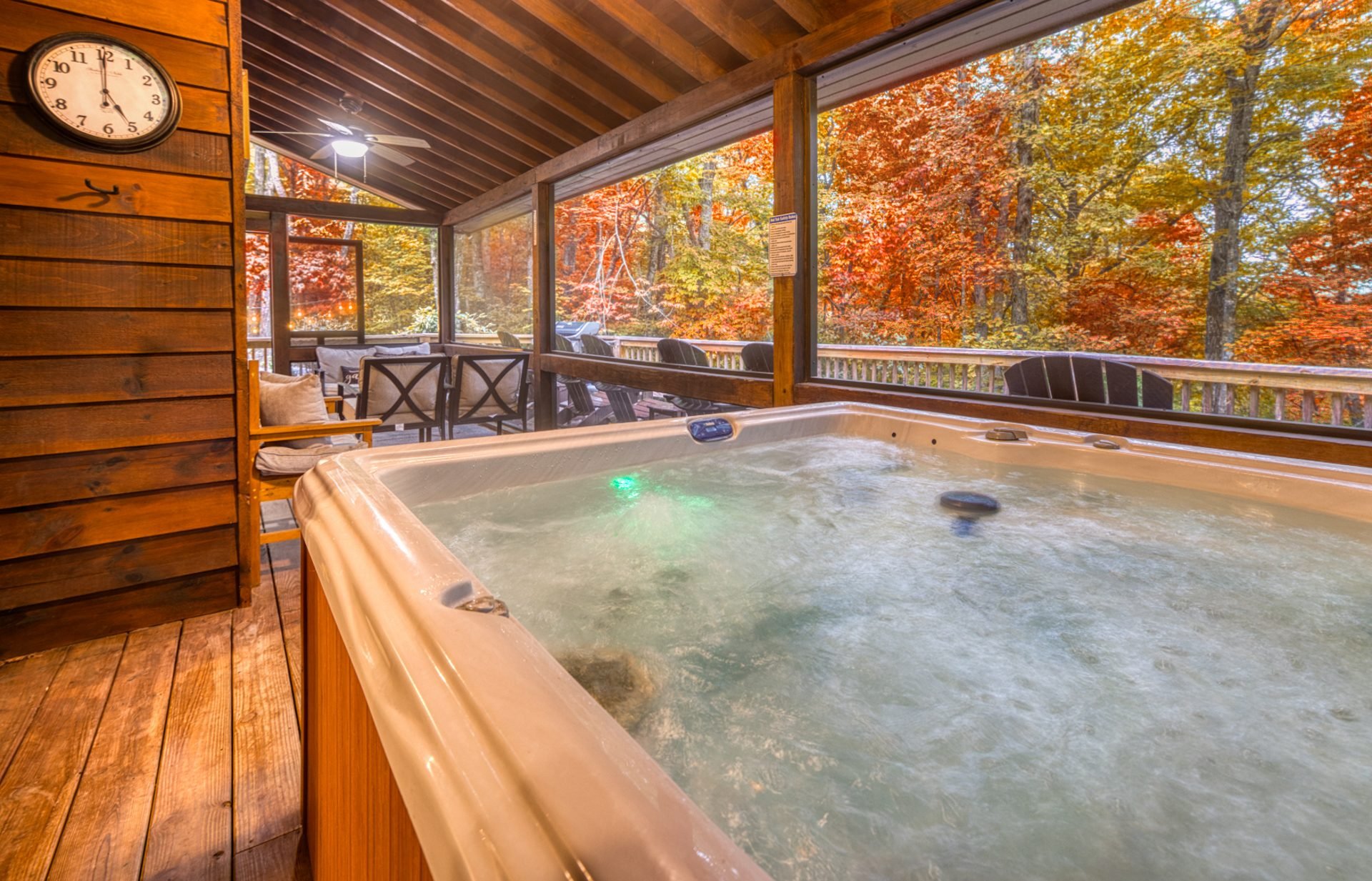
Two more habits matter for a rental. Make sure your cleaner, handyman and guest support team know where the main water shutoff and breaker panel are. And have someone walk the house after every hard freeze: look under sinks, check the crawl space and run every faucet. If a hot tub loses power in a freeze, follow the manufacturer's freeze-protection guidance, since it varies by model.
#2: When should you line up snow and ice help?
Now, before the first storm. Once snow is in the forecast, every owner in the county calls at once, and the owners who already have a plan get served first. Ask a vendor whether they pre-treat, how fast they come after a storm and what they charge, and get it in writing.
Keep a sturdy shovel and a bucket of ice melt (pet-safe if you allow dogs) where a guest can find them, and say where they are in your house guide. Then decide in advance what happens if a guest can't get up the hill: a safe place to park at the bottom, a same-day vendor visit, or a nearby hotel for one night. Whether a vendor comes out for every storm or only for check-ins is the owner's decision. Make it before December.
#3: How should you describe a steep driveway in your listing?
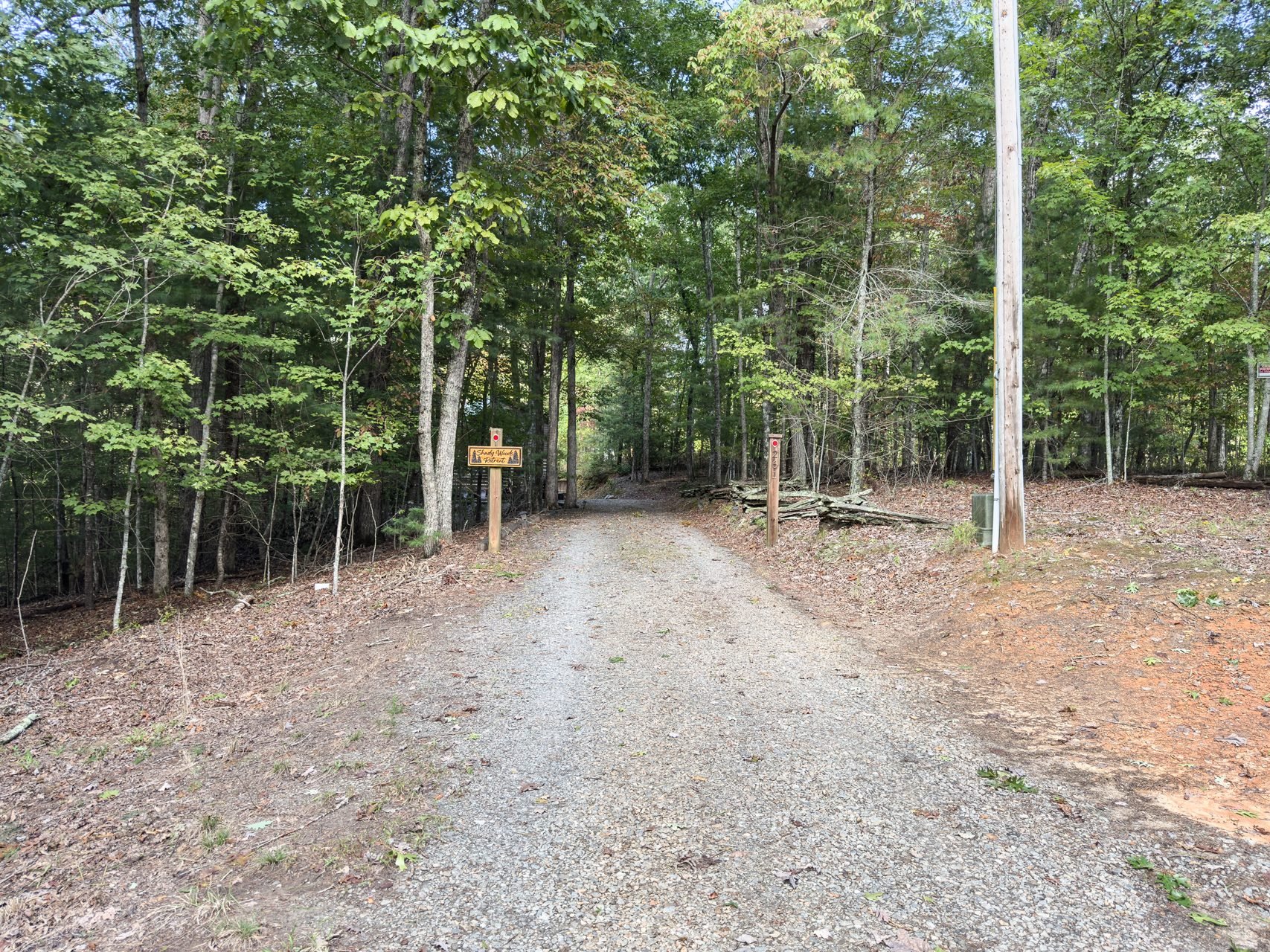
Say it plainly. For example: "The last quarter mile is a steep gravel road. In snow or ice, a four-wheel-drive or all-wheel-drive vehicle is strongly recommended." A steep drive is fine when the guest knew about it. It's a one-star review when they didn't. A guest who books after reading that sentence is a guest who planned for it.
#4: What should a winter pre-arrival message say?
A few days before a cold-weather check-in, send a short note that covers:
The forecast for their stay.
What the road and driveway are like in snow or ice.
Where the shovel and ice melt are.
Who to call if they can't get in.
Any closures that affect their plans, like Newfound Gap Road.
Keep the tone helpful, not alarming. The goal is that nothing about the weather surprises them.
What if a guest wants to cancel because of snow?
Under Airbnb's Major Disruptive Events Policy, weather that is "common enough to be foreseeable in a given location" is generally excluded, so a guest usually can't cancel for a full refund just because it snowed. That changes if the weather leads to another covered event, such as a mandatory evacuation order or a large-scale utility outage. As of November 2026, Airbnb's list of foreseeable winter weather includes eastern and mountainous Tennessee and northern and western North Carolina from December through February. North Georgia isn't named in the winter list.
Even when the policy is on your side, think about the review. Some owners choose to offer a date change in winter. That's an owner decision, and a good co-host will lay out the options and let you make it.
How do owners lose money in winter (and how to avoid it)?
Letting the heat drop between stays. What it costs: a burst pipe, water damage and canceled bookings during repairs. Better approach: keep the heat at 55°F or higher and use a thermostat your co-host can see remotely.
Not mentioning a steep driveway. What it costs: surprised guests, low reviews and refund requests. Better approach: describe the driveway honestly and recommend 4WD or AWD in snow.
Calling for snow help during the storm. What it costs: no one comes, and a guest can't get in. Better approach: line up a vendor in November.
Skipping the winter message. What it costs: a guest who feels blindsided, even by mild conditions. Better approach: send a short note a few days before check-in.
Skipping the post-freeze walk-through. What it costs: a small leak becomes a ceiling, found by the next guest. Better approach: have someone check the house after every hard freeze.
What does a co-host handle in winter, and what stays with the owner?
At Excelsior Stays, we're a co-host, so you stay in charge of the money decisions.
We handle: watching the forecast, sending each guest a winter message, scheduling cleaners and handymen for post-freeze checks, coordinating the snow and ice vendor you approve, and answering guests quickly.
You decide: which vendor to use and when, any repairs or upgrades, and your cancellation and date-change approach.
Repairs are passed through at cost. We don't mark up maintenance.
For the full year, read The Owner's Year Off. For Smokies owners, our Gatlinburg holiday season guide covers the busy weeks ahead, and Airbnb's new house rules covers what you can still ask guests to do at checkout. Thinking about a change this winter? Read Why Winter Is the Time to Onboard.
We co-host mountain cabins in Blue Ridge, Ellijay, Gatlinburg, Pigeon Forge and Mars Hill, NC.
Your mountain cabin winter checklist
Heat set no lower than 55°F between stays
Outdoor spigots drained, hoses stored, exposed pipes insulated
Snow and ice vendor lined up in writing
Shovel and ice melt on site
Steep or gravel driveway described honestly in the listing
Winter pre-arrival message ready to go
Want a free Winter Readiness Check?
We'll review your listing description and house guide for anything a winter guest should know, look at your pre-arrival messages, and send you a short list of what to line up before the first big storm. No obligation. Reach out here.
FAQ
What temperature should I keep my cabin at in winter when it's empty?
The American Red Cross recommends keeping the heat on and set no lower than 55°F when a home will be empty during cold weather, at the same temperature day and night. For a rental, a smart thermostat lets your co-host confirm the setting between guests.
Do I need to tell guests my driveway is steep?
Yes. A plain description of the driveway and road protects your reviews more than almost anything else in winter. If the drive is steep or gravel, say that four-wheel or all-wheel drive is strongly recommended in snow or ice.
Can a guest cancel for a full refund because of snow on Airbnb?
Usually not on weather alone. Airbnb's Major Disruptive Events Policy excludes weather that is common enough to be foreseeable in a location, unless it leads to another covered event like a mandatory evacuation or a large-scale utility outage. Airbnb lists winter weather in eastern and mountainous Tennessee and northern and western North Carolina from December through February as foreseeable.
When should I hire a snow removal vendor for my cabin?
Before the first storm, ideally in November. Vendors in mountain towns get booked up once snow is in the forecast. Agree in writing on how fast they'll come, whether they pre-treat, and what they charge.
Does it snow in Gatlinburg and Pigeon Forge?
The higher elevations of the Smokies get snow most winters, and town can get light snow and ice. In mid-November 2026, the National Weather Service forecast 1 to 4 inches above 3,000 feet, and the park closed Newfound Gap Road. Shaded, steep roads above town can stay icy after snow melts elsewhere.
How did the November 2026 flooding affect Blue Ridge cabin owners?
The November 4–5 flooding hit McCaysville, Copperhill and parts of Fannin and Gilmer counties hardest, with a record Toccoa River crest and road damage. McCaysville lifted its boil-water advisory on November 19, and Georgia's state of emergency for Fannin and Gilmer runs through November 30. Owners nearby should check guest routes before each arrival and have any water-exposed home inspected before a hard freeze.
What should be in a winter pre-arrival message?
Keep it short: the forecast for the stay, what the road and driveway are like in snow, where the shovel and ice melt are, who to call if they can't get in, and any closures that affect their plans. Send it a few days before check-in when cold weather is likely.
Does a co-host handle winter preparation?
A co-host like Excelsior Stays handles the forecast watching, guest messages, and scheduling of cleaners, handymen and the snow vendor you approve. The owner decides on vendors, repairs and cancellation approach. Maintenance is passed through at cost, with no markup.
Next week
Blue Ridge and Fannin County: the amenities guests actually book for in 2027, and the ones they scroll past.
Sources
WVLT: "Newfound Gap Road in Great Smoky Mountains closing due to expected winter weather, park says" (Nov. 12, 2026)
Smokies Live: "Snow Tracker Alert: Mountain snow expected through early Saturday" (Nov. 12, 2026)
Andrew McElhannon, Southeast Weather Update: "Saturday, November 14, 2026"
Yahoo News: "North Georgia flooding: One week later, what they still need" (Nov. 12, 2026)
FOX 5 Atlanta: "North Georgia floods: Government building closures, business impacts" (Nov. 5, 2026)
WVLT: "Gatlinburg short-term rentals rise in October as bookings come later" (Nov. 2, 2026)
American Red Cross, via Outagamie County: "Preventing and Thawing Frozen Pipes"
Airbnb Help Center: "Weather events, natural conditions, and diseases that may be excluded from our Major Disruptive Events Policy"
City of McCaysville: boil water advisory update (Nov. 19, 2026)
NTD: Georgia state of emergency extended for Fannin and Gilmer counties (Nov. 21, 2026)
This post is general information, not legal or insurance advice. Check your own insurance policy and platform terms, and talk to a professional about your specific property.